
The environmental crisis is not gender-neutral. As wildfires rage, waters rise, and toxins pollute the earth, it is often women—especially those from marginalized communities—who bear the brunt. Ecofeminism, a framework that links the oppression of women and the degradation of the environment to patriarchal systems of power, provides a critical lens through which social workers can understand environmental injustice as both a feminist and social justice issue.
Echoes of Resistance: Historical Threads in Ecofeminism
The tapestry of ecofeminism is woven with threads of resilience, resistance, and a profound connection between women and the Earth. Historically, women have stood at the forefront of environmental activism, often driven by an intrinsic understanding of the symbiosis between their communities and the natural world.
One emblematic example is the Chipko Movement in 1970s India. Faced with rampant deforestation threatening their livelihoods, rural women in the Himalayan region embraced trees to prevent them from being felled. This act of nonviolent protest was not merely about conserving trees; it was a stand against the systemic exploitation of both nature and women’s labor.
Similarly, in the United States, the Mothers of East Los Angeles (MELA) emerged in the 1980s to combat the siting of hazardous waste facilities in their predominantly Latino community. These women, many of whom were homemakers with no formal political training, organized marches, educated neighbors, and challenged policymakers. Their activism was rooted in the desire to protect their children from environmental toxins, highlighting how environmental degradation directly impacts familial and community health.
These historical instances underscore a recurring theme: when the environment is threatened, it is often women—particularly from marginalized communities—who rise to defend it. Their actions are not just environmental protests but also assertions of agency against patriarchal and colonial systems that seek to silence them.
Incorporating these narratives into social work practice means recognizing the historical and ongoing contributions of women to environmental justice. It calls for an acknowledgment of the emotional labor and cultural knowledge women bring to ecological movements. Social workers must honor these stories, ensuring that interventions are not only informed by data but also by the lived experiences and wisdom of those who have long been stewards of the Earth.

Figure 1: Chipko Tree Huggers of the Himalayas. (Credit: Pamela Singh, 1994)
Understanding Ecofeminism and Environmental Decline
Ecofeminism asserts that patriarchal values—domination, control, and exploitation—have historically framed both women and nature as resources to be subdued. Mary Mellor in Feminism and Ecology writes,
“[It] is a movement that sees a connection between the exploitation and degradation of the natural world and the subordination and oppression of women.”
This framework helps explain why low-income women, Indigenous communities, and women of color are disproportionately affected by environmental decline. From lack of clean water in Indigenous reservations to heat exposure in low-income urban neighborhoods, the intersection of environmental harm and social inequality is clear.
Power, Privilege, and Oppression in Environmental Justice— A Personal Reflection
When I think about environmental decline, I don’t just see melting ice caps or burning forests—I see a system that values profit over people, land, and life. As a woman, and as a social worker, I can’t separate the climate crisis from the systems of power that fuel it. I see how corporate industries—especially fossil fuel and industrial agriculture—have long treated Indigenous land as disposable, extracting resources without consent, poisoning water, and polluting the air. These choices are rarely made by the people who live with the consequences.
The communities hurt most—Black, Brown, Indigenous, low-income, and especially women within them—are often left out of the conversations about how to fix things. That’s not just an accident. It’s the result of systems built on colonialism, racism, patriarchy, and economic injustice. And if we, as social workers, truly believe in dignity, equity, and social justice, we can’t ignore the climate crisis—or the power structures behind it.
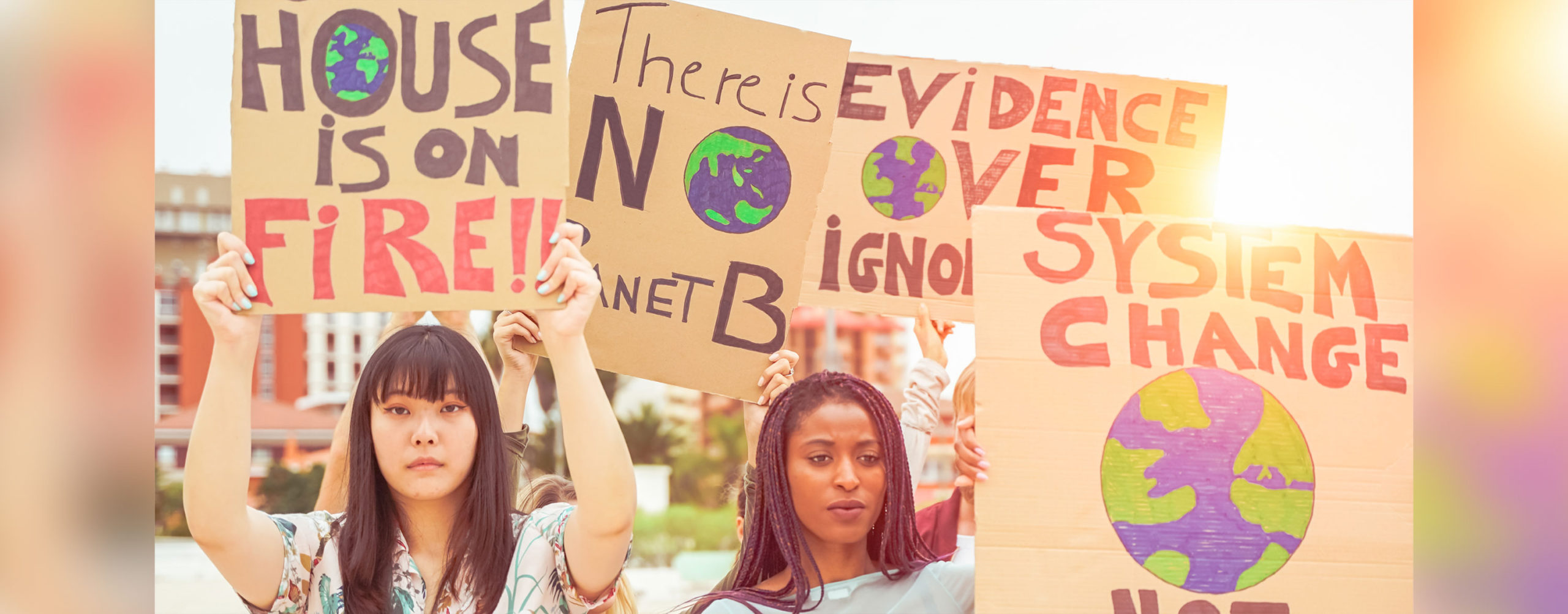
Figure 2: (Credit: Giuseppe Manfra-Moment)
What This Means for Social Work: A Call to Action
Micro-Level Interventions
I’ve sat with young clients who are terrified of the world they’re inheriting. Eco-anxiety is real—and valid. As social workers, we can help individuals, especially youth and parents, process the grief and fear they feel about the environment. For those directly impacted by wildfires, flooding, or toxic exposures, we need to be the bridge to healing—helping them access housing, healthcare, trauma-informed care, and relocation support when needed.
Mezzo-Level Interventions
In my own community work, I’ve seen how collective healing begins with small but powerful spaces. Support groups for women grieving environmental loss, community gardens where people grow food together, or advocacy circles in schools and hospitals—these are all ways we can help reclaim a sense of agency. We can push for clean air systems in schools, more green space in low-income neighborhoods, and sustainable policies in our institutions.
Macro-Level Interventions
On a larger scale, we need to be organizers. We need to show up with and for the people on the frontlines of environmental injustice—those fighting for clean water, land sovereignty, and climate policies that center equity. Social workers can and should advocate for legislation like the Green New Deal, support Indigenous rights, and partner with environmental justice groups who are already doing the work.
Looking Ahead: Reclaiming the Earth, Reclaiming our Power
Ecofeminism reminds us that the Earth is not a passive backdrop to our lives—it is an active, living partner in our collective survival. When we see the Earth as sacred and relational, rather than a resource to be exploited, we begin to shift away from the destructive logic of domination. That’s what this moment calls for—not just policies, but a profound cultural shift in how we relate to the planet and to each other.
We must name the grief so many of us carry—the sorrow of rising heat, burning forests, poisoned water, and lost futures. But we also have to name our power. As women, caregivers, healers, and organizers, we are the heart of climate resilience. We are building futures in community gardens, in classrooms, in clinics, and in policy meetings. We are not just victims of climate breakdown—we are visionaries of climate justice.
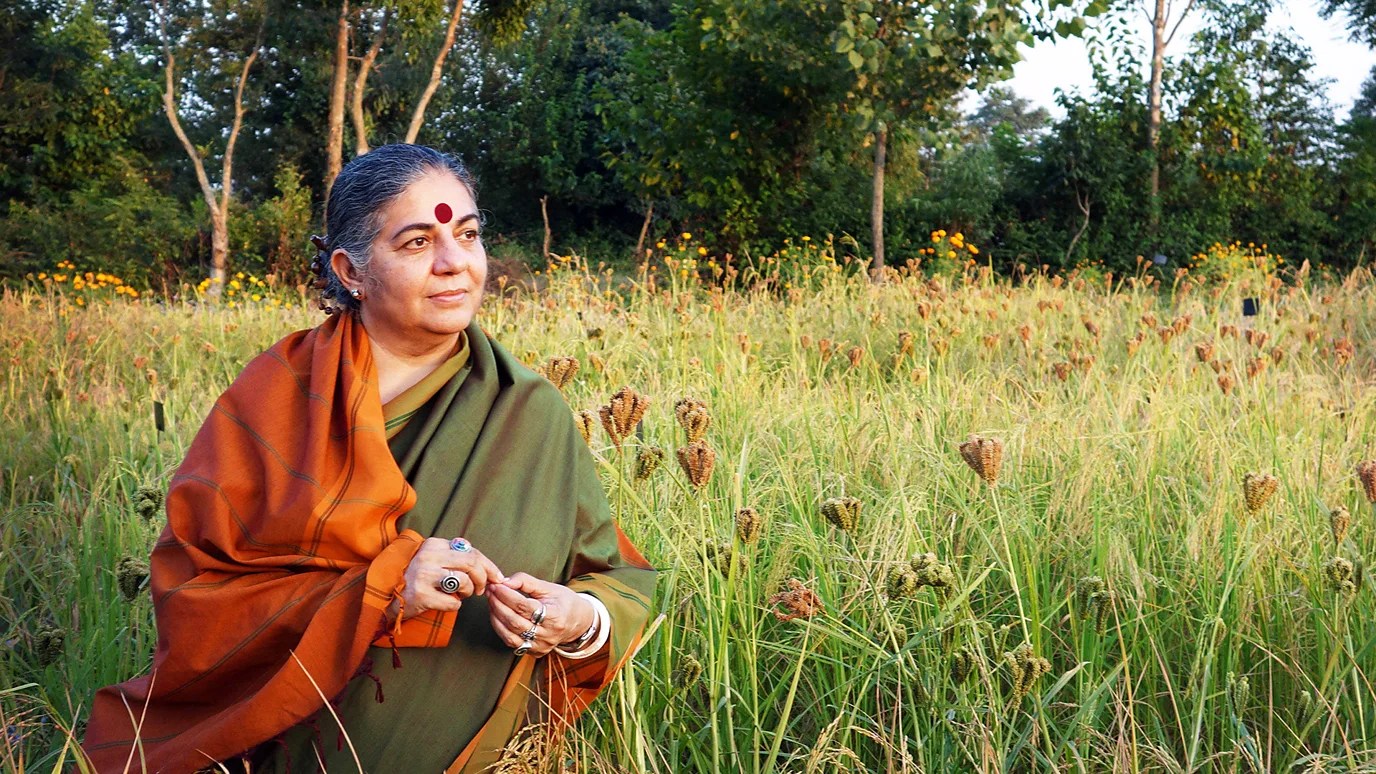
“You are not Atlas carrying the world on your shoulder. It is good to remember that the planet is carrying you.”
-Ecofeminist scholar, Vandana Shiva
Figure 3: (Credit: Everett Collection Inc/Alamy)
Final Thoughts: This is Personal, and It’s Political
As a woman in social work, I feel this work in my bones. It’s the mother worrying about wildfire smoke hurting her baby. It’s the elder who can’t afford to move from the flood zone. It’s the teenager grieving a future that feels unstable. And it’s us–social workers–who are called to stand with them, and for them.
Ecofeminism is not just a theory—it’s a way of life. It asks us to reclaim tenderness, solidarity, and resistance in a world that often teaches us to numb, disconnect, and comply. But we don’t have to comply. We can heal. We can organize. We can fight for a planet that is not just livable, but just.
Let’s move forward together—with fierce love, collective care, and unwavering resolve.
References
- Encyclopedia Britannica. (n.d.). Ecofeminism. Saving Earth. https://explore.britannica.com/explore/savingearth/ecofeminism
- Indigenous Environmental Network. (n.d.). Indigenous Environmental Network. https://www.ienearth.org
- Johnson, A. E., & Wilkinson, K. K. (Katharine K. (Eds.). (2020). All we can save : truth, courage, and solutions for the climate crisis / (First edition.). One World.
- Kaplan, A. (2020, July 2). What is an intersectional environmentalist? Teen Vogue. https://www.teenvogue.com/story/intersectional-environmentalist-ecofeminism
- Leimbach, S. (2023). Nature as Culture: Ecofeminist Narratives of Environmental and Colonial History. ProQuest Dissertations & Theses.
- Movement Generation. (n.d.). Movement Generation: Justice & Ecology Project. https://movementgeneration.org/
- Johnson, A. E., & Wilkinson, K. K. (Katharine K. (Eds.). (2020). All we can save : truth, courage, and solutions for the climate crisis / (First edition.). One World.
- SepiaEYE. (n.d.). Pamela Singh: Chipko – Tree Huggers of the Himalayas. https://www.sepiaeye.com/pamela-singh-chipko-tree-huggers-of-the-himalayas
- The National Association of Social Workers (NASW) – Environmental Justice Guidelines
 #WestCOMSW